Rat Control in Denver, CO
Rats in the alley, the crawl space, or scratching in the walls? A local exterminator finds how they are getting in, removes them, and seals them out for good.
- Serving Denver & the metro
- Norway & roof rats
- Family & pet-conscious methods
- Open Mon-Sat
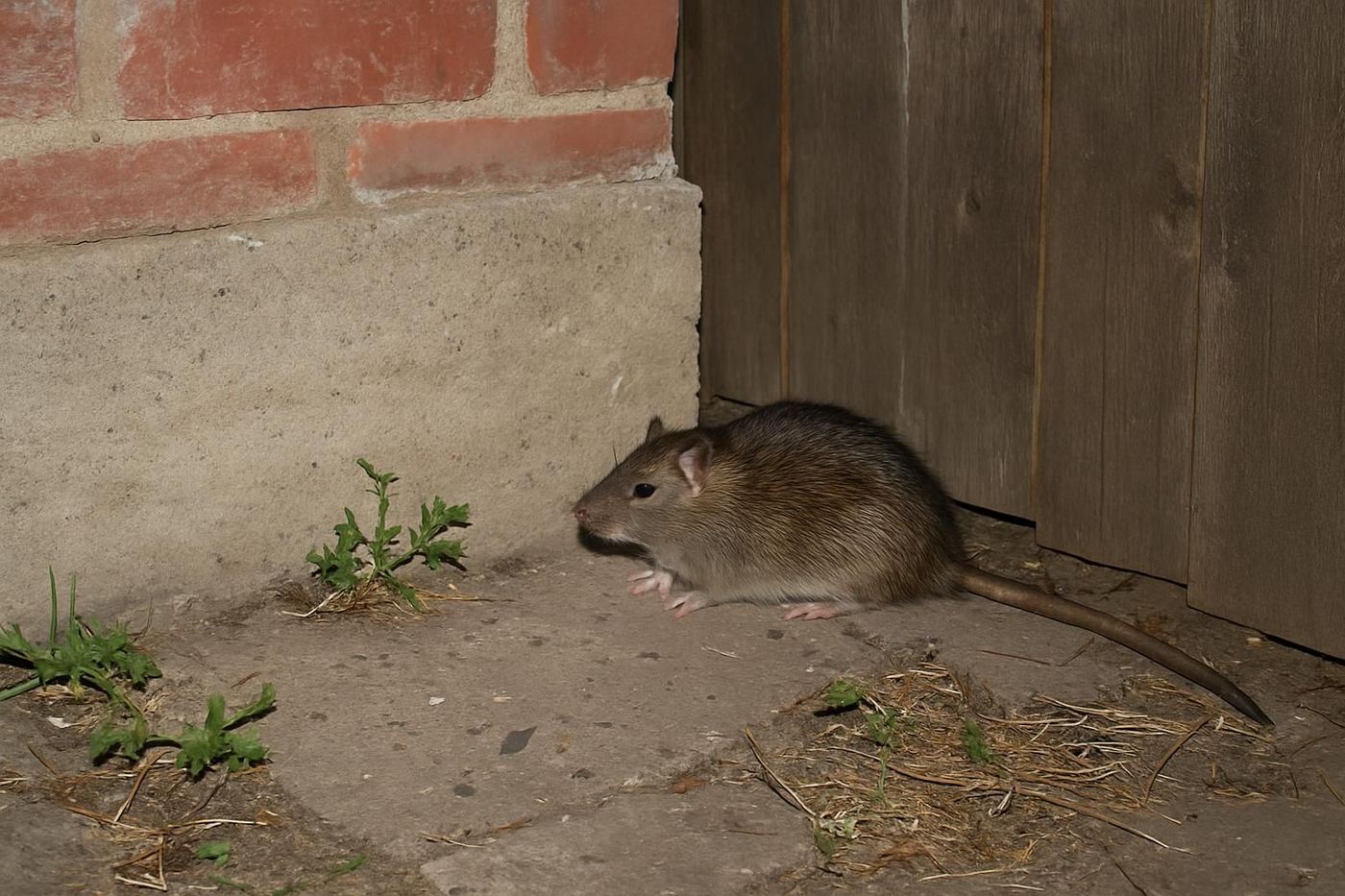
Denver Rat Control Services
Tell a local exterminator what you are seeing and where. Every job is built around the same goal: get the rats out and keep them out. Tap any service for the full breakdown.
Rat or Mouse? Tell Them Apart
The fix depends on the species. Here is how Denver's two rats and the house mouse differ, and the tell that gives each one away.
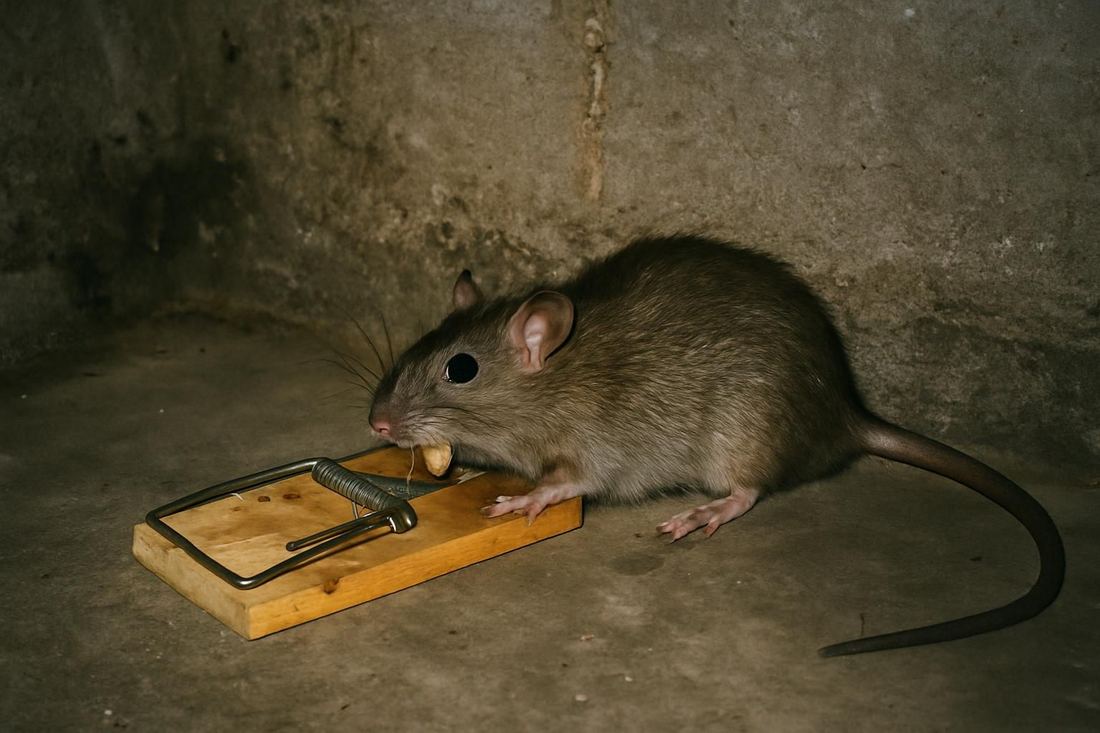
Norway Rat
- Size
- 7-10 in body, stocky and heavy
- Tail
- Shorter than the body, thick
- Droppings
- About 3/4 in, blunt ends
- Where it nests
- Low: burrows along foundations, crawl spaces, alleys, sewers, under concrete
- The tell
- Burrows and runways near the ground; thrives along the South Platte and the alley grid
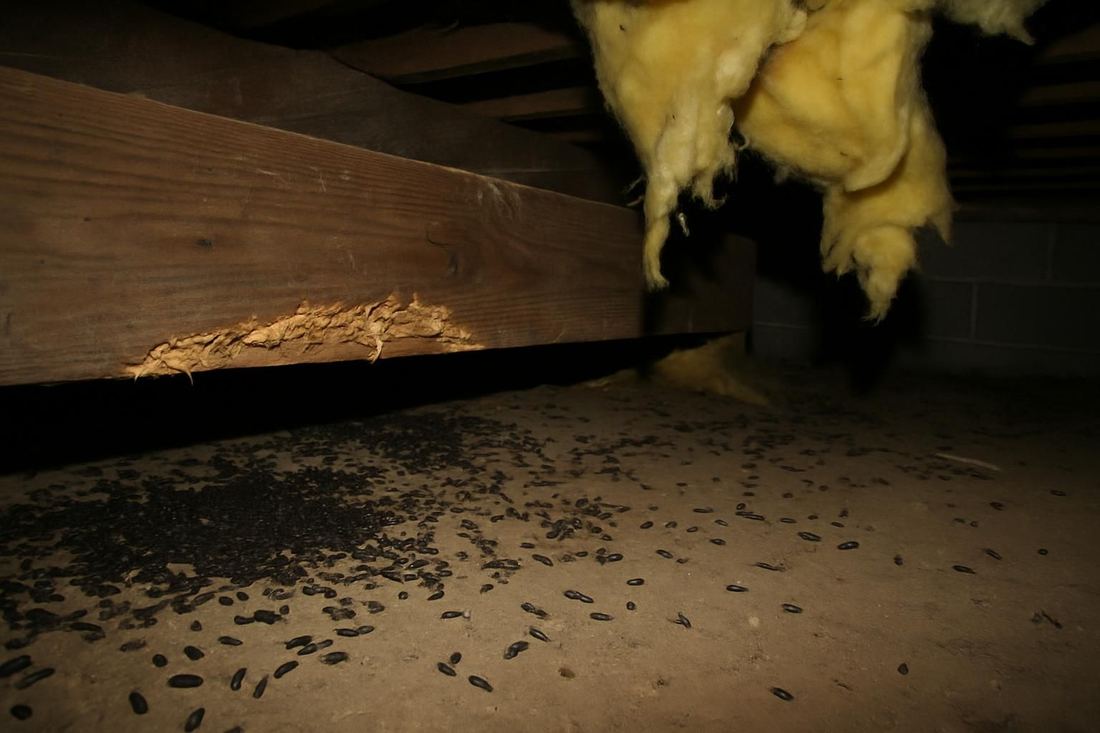
Roof Rat
- Size
- 6-8 in body, sleek and slender
- Tail
- Longer than the body
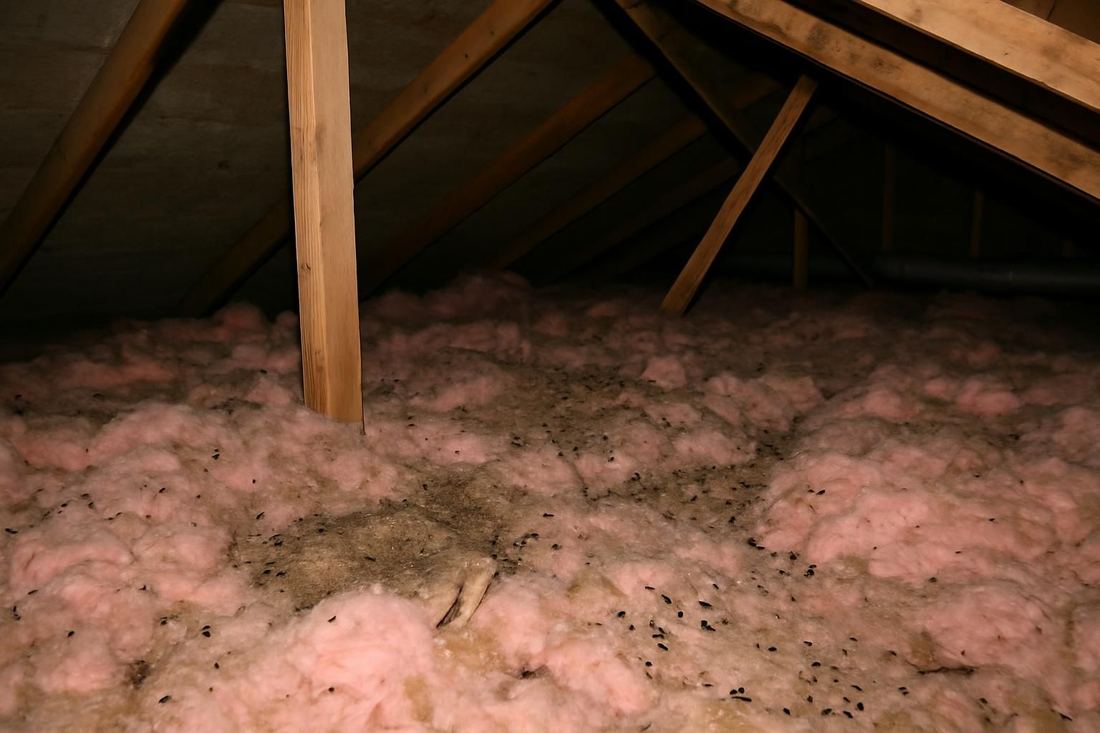
- Droppings
- About 1/2 in, pointed ends
- Where it nests
- High: attics, rafters, upper walls, trees and vines
- The tell
- A climber, so the problem is usually overhead in the attic and roofline
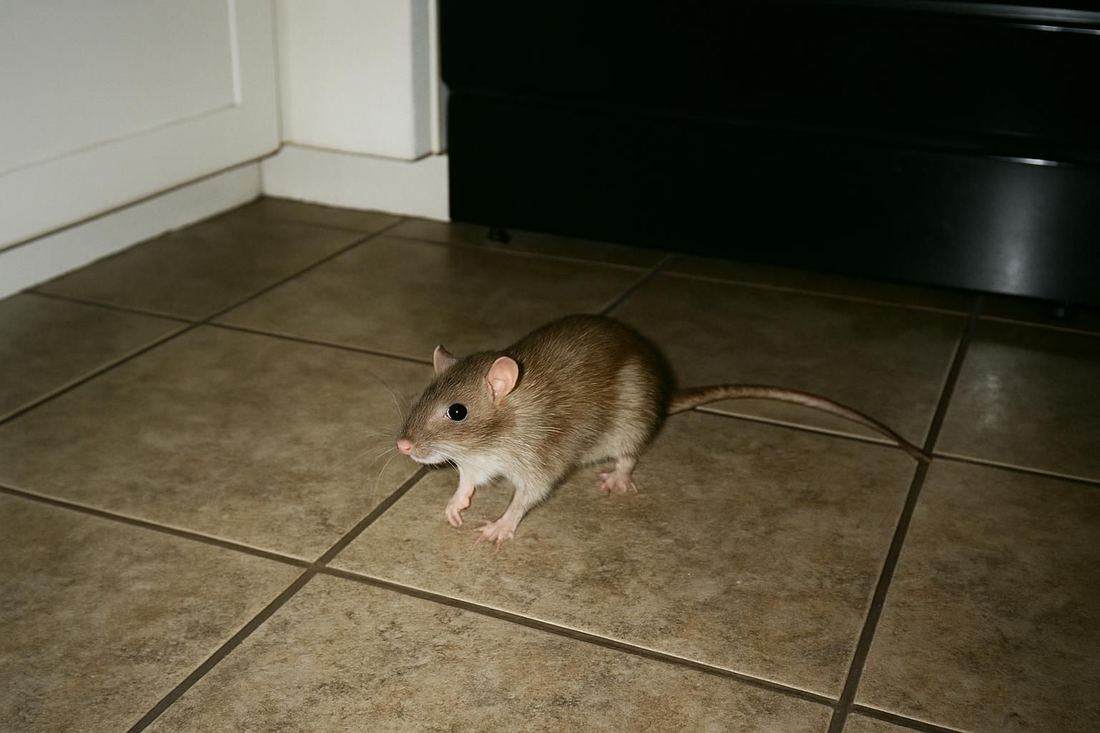
House Mouse
- Size
- 3-4 in body, small
- Tail
- About as long as the body, thin
- Droppings
- Rice-sized, pointed
- Where it nests
- Walls, cabinets, clutter, anywhere warm and close to food
- The tell
- Fits through a dime-sized gap and breeds fast; many are mice, not baby rats
How the Work Gets Done
Inspect
A local exterminator walks the crawl space, foundation, attic, and exterior to confirm the species, map the runways, and find the entry points.
Trap & Remove
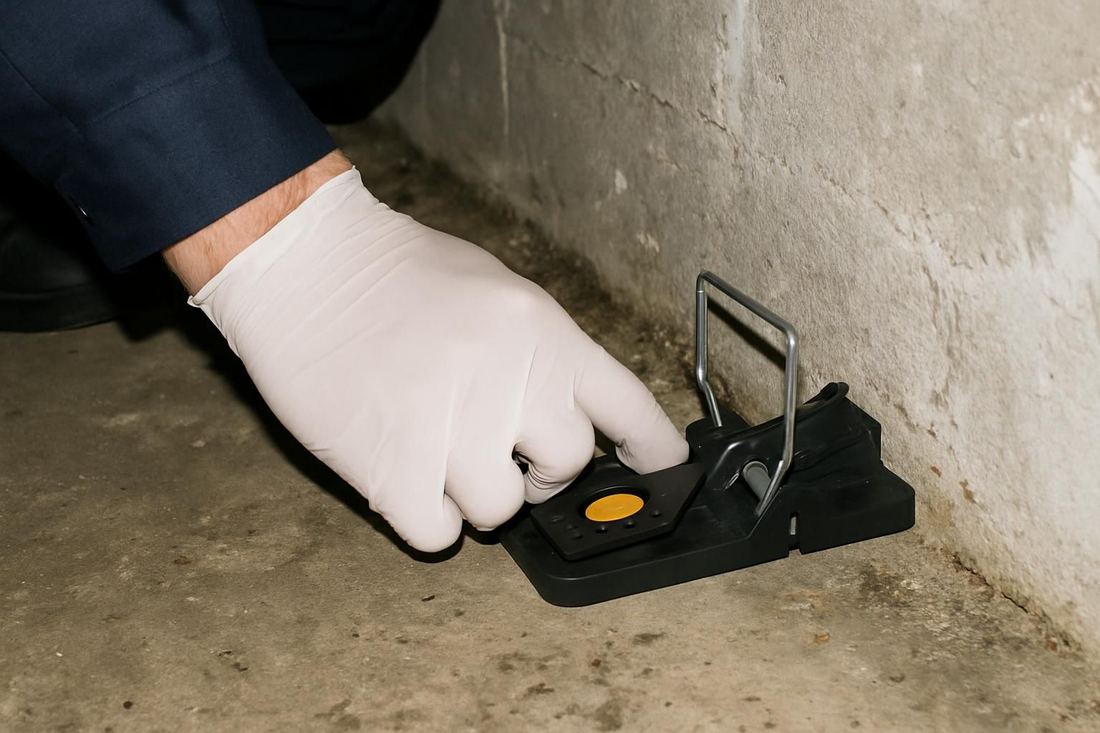
Targeted trapping sized to the infestation and placed where the rats actually travel, favored over loose bait so nothing dies in the walls.
Seal Out
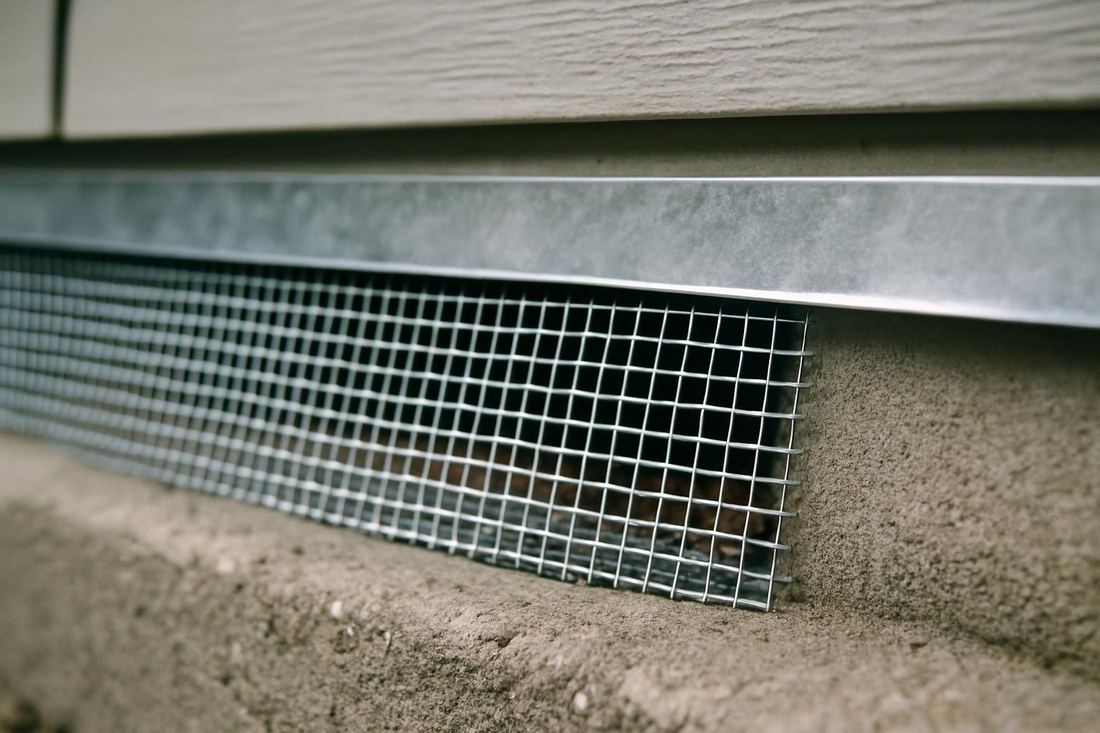
The gaps from the inspection get sealed with rodent-proof materials, the foundation and roofline closed so rats cannot get back in.
Clean
Droppings, nesting material, and contaminated insulation are removed and the area sanitized after a heavier infestation.
Monitor
Follow-up where the problem calls for it, plus prevention advice for your property.
Where Denver's Rats Come From
Denver did not used to be a rat city. It is becoming one, and knowing why points a local exterminator to where the rats are getting in.
- The construction boom. Years of heavy development displace established rats, which move into nearby homes and buildings.
- The South Platte & Cherry Creek. The river and creek corridors give rats year-round food, water, and cover.
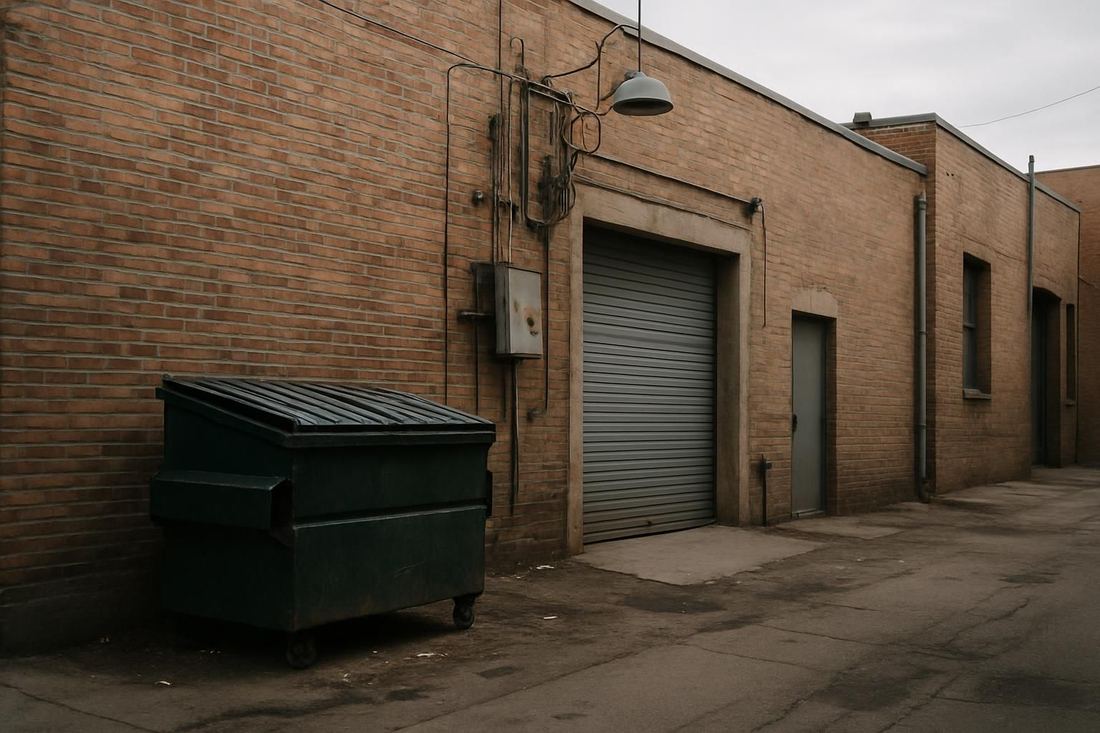
- Downtown & Capitol Hill alleys. The dense alley-and-dumpster grid of the older neighborhoods is prime Norway-rat habitat.
- Aging sewer & lateral lines. Norway rats travel old sewer and broken lateral pipes straight into older properties.
- Backyard chickens, compost & gardens. Common in the older neighborhoods, and a steady food source.
- Cold winters. Hard Front Range winters push rats indoors to nest and breed where it is warm.
Removal That Actually Lasts
Most rat problems come back because the entry points were never sealed. A local exterminator treats Denver homes the way the problem needs: find how the rats get in, remove them, and seal the property so the next ones cannot move in. No pressure, and no upsell to work you do not need.
- Knows Denver rats: Norway rats low, roof rats high, mice everywhere
- Trapping and exclusion, not just bait scattered around
- Methods applied with kids and pets in mind
- One-time work or a monitoring schedule, your call
- Upfront pricing before any work begins
Seeing Rats Right Now?
Rats in the open, fresh droppings, or scratching in the walls mean an active problem. The sooner they are trapped and the gaps sealed, the less they chew and contaminate.
Call 720-379-2570Built for Denver's Rat Problem
Denver has earned a spot among the rattier cities in the country, and the reasons are local. A decade of heavy construction has torn up established rat harborage and pushed those rats into nearby homes and businesses. The South Platte River and Cherry Creek corridors run right through the city, giving Norway rats water, food, and cover year-round. And the dense alley-and-dumpster grid of the older neighborhoods, paired with aging sewer and lateral lines, gives them highways into older properties.
The Norway rat is the one most Denver homeowners are dealing with. It works low, burrowing along foundations, in crawl spaces, under sheds and concrete, and through alleys and sewers, then entering at ground level. Roof rats, historically rare here, are spreading and nest high in attics and rooflines. House mice are everywhere and often get mistaken for young rats. Getting the species right is the first job, because a Norway rat problem and a roof rat problem are solved in different places.
Service runs across Denver and the Front Range metro, from Capitol Hill, Wash Park, the Highlands, and Park Hill out to Aurora, Lakewood, Littleton, Arvada, and beyond. The older brick bungalows and homes with stone foundations and crawl spaces give rats plenty of ways in, and the cold winters mean a fall problem becomes a through-the-winter problem if the gaps stay open.
What separates a fix that holds from one that fails is the sealing. Trapping clears the rats inside now, but as long as the foundation gap or the open utility penetration is there, new ones follow the same path in. That is why a real Denver rat job spends as much time on exclusion as on the traps, and why the inspection comes first. Get the entry points closed and the problem ends instead of repeating.
Denver & the Metro
Coverage across Denver and the Front Range suburbs.
Denver Rat Control Questions
How do I tell if I have rats or mice?
Rats are much bigger (7-10 inches for a Norway rat) with thick tails and large 1/2 to 3/4 inch droppings, while mice are 3-4 inches with rice-sized droppings. The comparison on this page breaks down the differences. A local exterminator confirms the species on the inspection, because rats and mice call for different trapping and sealing.
How much does rat control cost in Denver?
It depends on the species, how far the infestation has spread, the size of the property, and how much exclusion and cleanup the job needs. A local exterminator gives you an upfront estimate after a look, with no obligation. Call 720-379-2570 and describe what you are seeing for a straight answer.
How are rats getting into my Denver home?
Usually low and out of sight: foundation gaps and cracks, crawl-space and utility openings, gaps under garage doors, and sometimes the roofline for roof rats. Norway rats also travel sewer and lateral lines. A local exterminator finds the specific entry points and seals them.
Are rat control treatments safe for kids and pets?
A local exterminator favors trapping and exclusion over loose bait indoors, places everything where rats travel, in crawl spaces, along foundations, and in attics, not in open living areas, and explains any short precaution to follow.
Why are there so many rats in Denver lately?
A few reasons: years of heavy construction have displaced rats into nearby buildings, the South Platte and Cherry Creek corridors and the downtown alley-and-sewer network give them food and shelter, and cold winters push them indoors to nest and breed. Denver now ranks among the rattier US cities.
Do you handle commercial rat problems?
Yes. Restaurants, retail, warehouses, and apartment buildings around Denver are common calls. Service is scheduled to stay discreet and work around your hours. See the commercial rat control page.
Get the Rats Out
Mon–Fri 7am–7pm · Sat 8am–5pm · Denver, CO · upfront pricing, no obligation