
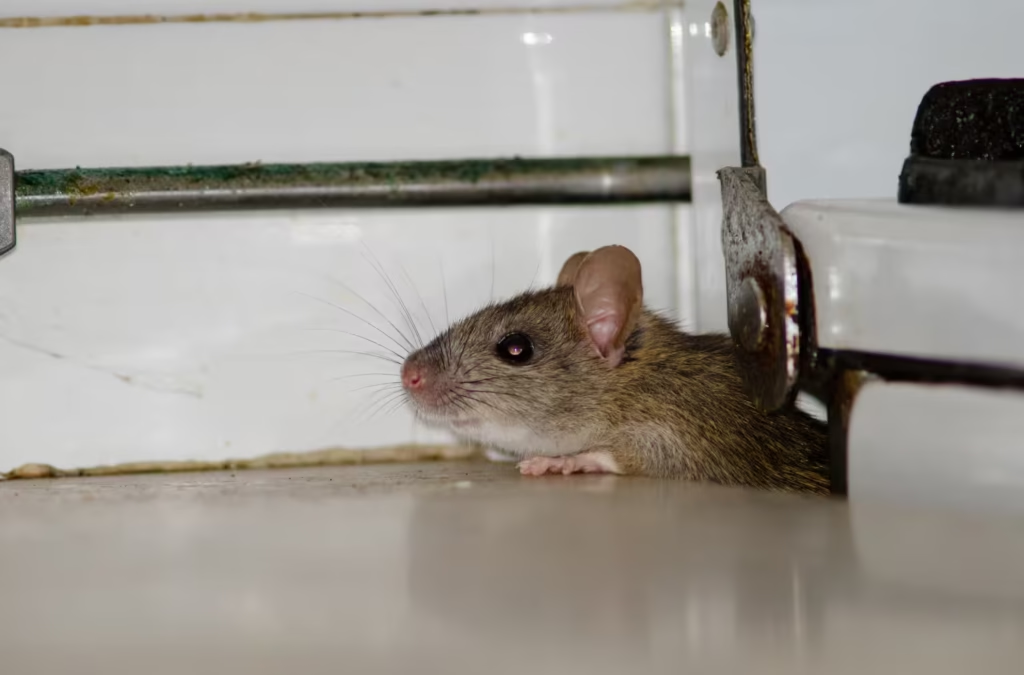
As someone who’s spent years helping Denver homeowners deal with unwanted rodent guests, I can tell you that recognizing the early signs of a rat infestation can save you thousands of dollars in damage and countless sleepless nights. Denver’s unique combination of urban development, changing weather patterns, and proximity to natural habitats creates the perfect storm for rat problems that many homeowners don’t see coming until it’s too late.
The key to effective rat control isn’t just knowing how to get rid of them – it’s knowing how to spot them before they’ve established a full-blown colony in your walls, attic, or basement. Let me walk you through the warning signs that every Denver resident should know, so you can take action before a minor problem becomes a major headache.
Why Denver’s Climate and Geography Make Rat Problems Common
Denver’s semi-arid climate and elevation create unique challenges when it comes to pest control. Our city sits at the intersection of urban development and natural wildlife corridors, particularly along the South Platte River and its tributaries. This means rats have plenty of natural pathways into residential areas, especially during seasonal transitions.
The reality is that Denver’s older neighborhoods, from Capitol Hill to Highland, often feature homes built decades ago with construction methods that leave plenty of entry points for determined rodents. Meanwhile, our newer suburban developments in areas like Stapleton and Green Valley Ranch frequently back up to open spaces that serve as natural rat highways.
What makes Denver particularly challenging is our dramatic temperature swings. When those early fall cold snaps hit, or during our unpredictable spring weather, rats are actively seeking warm, dry places to nest. Your home becomes an attractive option, complete with food sources, water, and protection from predators.
I’ve noticed that rat activity in Denver tends to spike during two key periods: late September through November when temperatures drop, and again in late winter when pregnant females are seeking nesting sites. Understanding these patterns helps explain why you might suddenly notice signs of rat activity even if you’ve never had problems before.
Physical Evidence: The Tell-Tale Signs You Can See
When it comes to identifying a rat infestation in Denver homes, your eyes are your best tool. Rats are surprisingly messy creatures, and they leave behind a trail of evidence that’s hard to miss once you know what to look for.
Droppings and Urine Stains
Rat droppings are perhaps the most obvious sign of an infestation, but many homeowners mistake them for mouse droppings or don’t recognize them at all. Rat droppings are typically three-quarters of an inch long, dark brown or black, and shaped like large grains of rice with pointed ends. Fresh droppings will be soft and dark, while older ones become hard and gray.
You’ll typically find these droppings along walls, in cupboards, near food sources, and along the pathways rats use to travel through your home. A single rat can produce up to 40 droppings per day, so even a small infestation can leave behind substantial evidence.
Urine stains and odors are equally telling. Rats urinate constantly as they move, leaving behind yellowish stains and a distinct ammonia-like smell. Under ultraviolet light, these stains glow, which is one technique we use during professional inspections. In Denver’s dry climate, these odors can become particularly concentrated in enclosed spaces like basements or crawl spaces.
Gnaw Marks and Damage
Rats have continuously growing teeth, which means they need to gnaw constantly to keep them filed down. This biological necessity leaves behind clear evidence of their presence. Look for gnaw marks on wood, plastic, electrical wires, and even metal surfaces. Fresh gnaw marks appear lighter in color and will have sharp, clean edges, while older marks darken over time.
Pay particular attention to areas around food storage, entry points, and structural elements. I’ve seen rats chew through everything from wooden support beams to plastic water pipes. In Denver homes, I frequently find gnaw damage around utility entry points, where rats follow gas lines, water pipes, or electrical conduits into the structure.
The size of gnaw marks can also help you distinguish between rats and mice. Rat teeth marks are typically about one-eighth of an inch wide, while mouse marks are much smaller and finer.
Sounds and Smells That Signal Trouble
Your nose and ears can detect rat problems even before you see physical evidence. Rats are surprisingly noisy creatures, especially when they’re active during their peak hours just after sunset and before sunrise.
The scratching and scurrying sounds in your walls or ceiling are often the first signs homeowners notice. These sounds are typically more pronounced than what you’d hear from mice – rats are larger and heavier, so their movement creates more obvious noise. You might hear running, scratching, gnawing, or even squeaking and chattering, particularly if you have multiple rats.
In Denver’s older homes with wooden construction, these sounds can be especially noticeable because sound travels well through the frame structures common in neighborhoods like Wash Park and Baker. The sounds often seem to move along predictable routes as rats establish regular pathways between their nesting areas and food sources.
The smell of a rat infestation develops gradually but becomes unmistakable once established. It’s a combination of urine, droppings, and the musky scent rats use to mark their territory. In severe infestations, you might also detect the smell of decomposition if rats have died within wall voids or other inaccessible areas.
Denver’s dry air can actually intensify these odors because there’s less humidity to dilute them. Basements and crawl spaces in particular can develop strong odors that eventually work their way up through the rest of the house.
Behavioral Changes in Your Home Environment
Sometimes the signs of a rat infestation aren’t about the rats themselves, but about how their presence changes your home environment and the behavior of other creatures sharing your space.
Food contamination is a serious concern and often one of the first signs homeowners notice. Rats will get into pantry items, pet food, and even garbage, leaving behind droppings, urine, and chew marks on packaging. They’re particularly attracted to grains, seeds, pet food, and anything with a strong scent.
You might notice that food packages have small holes chewed in them, or that items you thought were sealed are somehow getting contaminated. Rats are incredibly resourceful and can chew through most packaging materials except for metal and glass.
When Pets Act Differently
Your pets often detect rat problems long before you do. Dogs and cats have much more sensitive hearing and smell, so they’ll often start acting strangely when rats move into your home. You might notice your cat staring intently at walls or your dog becoming agitated in certain areas of the house.
Some pets become more active at night, following scent trails or trying to investigate sounds. Others become more anxious or exhibit behavioral changes like excessive barking or meowing. While these changes could indicate other issues, when combined with other signs, they often point to a rodent problem.
Areas of Your Denver Home Most Vulnerable to Rats
Understanding where rats are most likely to enter and establish themselves in Denver homes can help you focus your inspection efforts and prevention strategies.
Basements and crawl spaces are prime real estate for rats, especially in Denver where many homes have these features. These areas provide protection from weather, are typically less disturbed by human activity, and often have convenient access points where utilities enter the home.
Attics are another favorite, particularly in homes with roof access points like damaged vents, gaps in rooflines, or areas where tree branches provide highway access. Denver’s mature tree canopy in many neighborhoods creates natural pathways for rats to reach roof level.
Kitchen and pantry areas become focal points once rats have established entry into the home. The combination of food sources and water makes these areas irresistible. Pay particular attention to areas behind appliances, under sinks, and in pantry storage spaces.
Garages often serve as staging areas where rats first establish themselves before moving into the main house. Many Denver garages have direct access to the house and often contain additional attractants like pet food, bird seed, or stored food items.
When to Call Professional Rat Control in Denver
While it’s natural to want to handle a rat problem yourself, there are situations where professional intervention becomes necessary for both effectiveness and safety reasons.
If you’re finding evidence of rats in multiple areas of your home, or if the signs suggest a well-established population, professional treatment is typically the most effective approach. A mature rat colony can include dozens of individuals, and DIY methods often only address part of the problem.
The presence of rat droppings or damage near electrical systems is a serious safety concern that warrants professional attention. Rats can cause house fires by chewing on electrical wires, and this type of damage should be assessed and addressed by professionals who understand both pest control and electrical safety.
When signs of rat activity persist despite your efforts to eliminate them, it’s time to call in experts who can identify and seal entry points you might have missed. Professional rat control involves not just elimination but also exclusion – permanently preventing future invasions.
If you’re dealing with rats in areas that are difficult or dangerous to access, such as tight crawl spaces, high attics, or areas near utilities, professional service ensures the job is done safely and completely.
Health concerns also justify professional intervention. Rats carry numerous diseases and parasites, and their droppings can become airborne during cleanup, creating respiratory risks. Professional services include safe cleanup and sanitation procedures that protect your family’s health.
The bottom line is that early detection and prompt action are your best defenses against rat infestations in Denver. By knowing what signs to look for and understanding when to seek professional help, you can protect your home, your health, and your peace of mind. Don’t let a small problem become a major infestation – if you’re seeing signs of rats in your Denver home, take action quickly and decisively.